
Why Small Things Feel Like Emergencies
If you’ve ever wondered, “why do I overreact to small things?” you’re not alone. A late text, a tone shift, or a minor change in plans can suddenly flood your body with urgency, fear, or shutdown — even when part of you knows it “shouldn’t” be that big.
When small things feel like emergencies, the problem usually isn’t a lack of coping skills. It’s that your nervous system is a fast pattern-matcher. When cues resemble past danger, it rings early — and loudly.
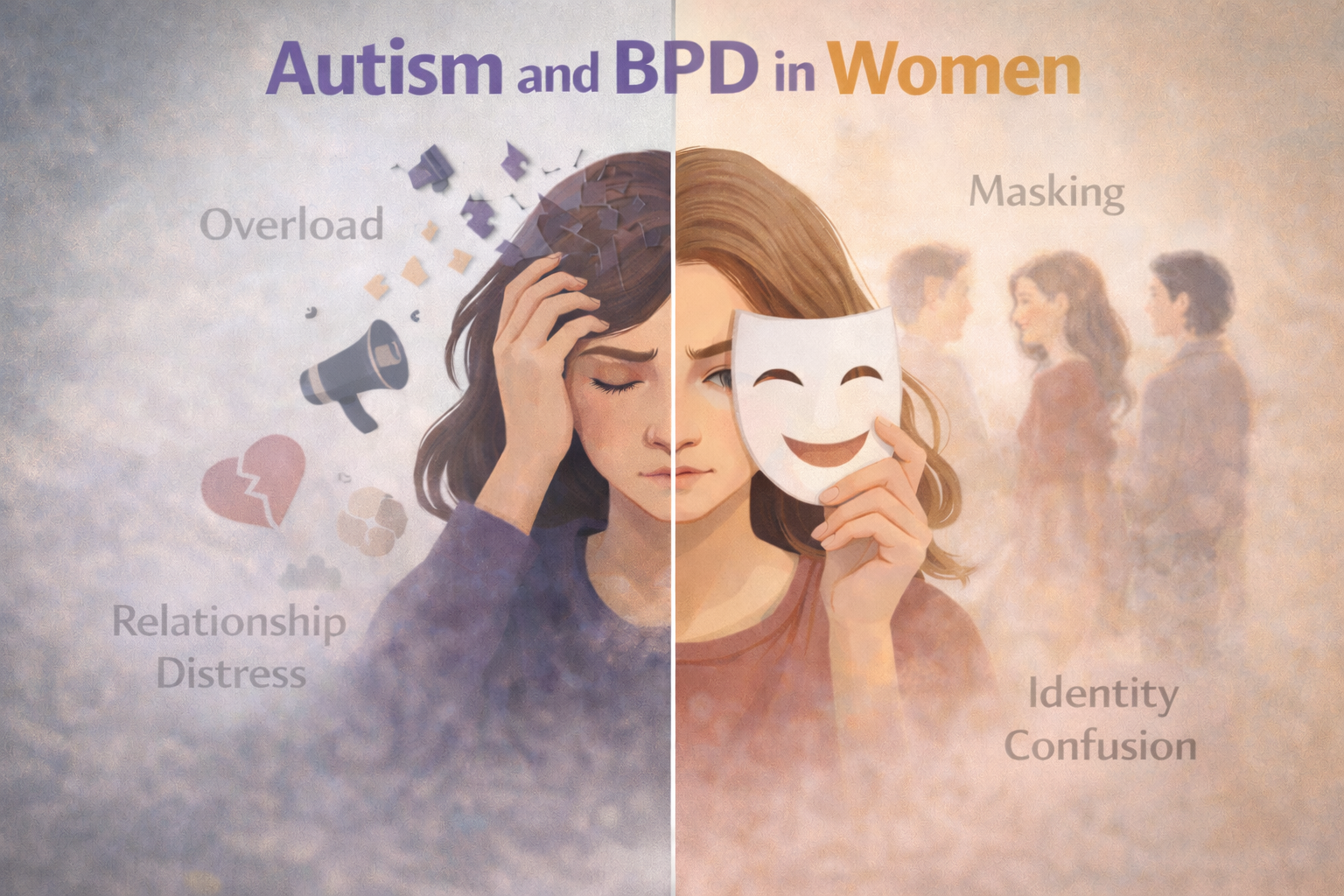
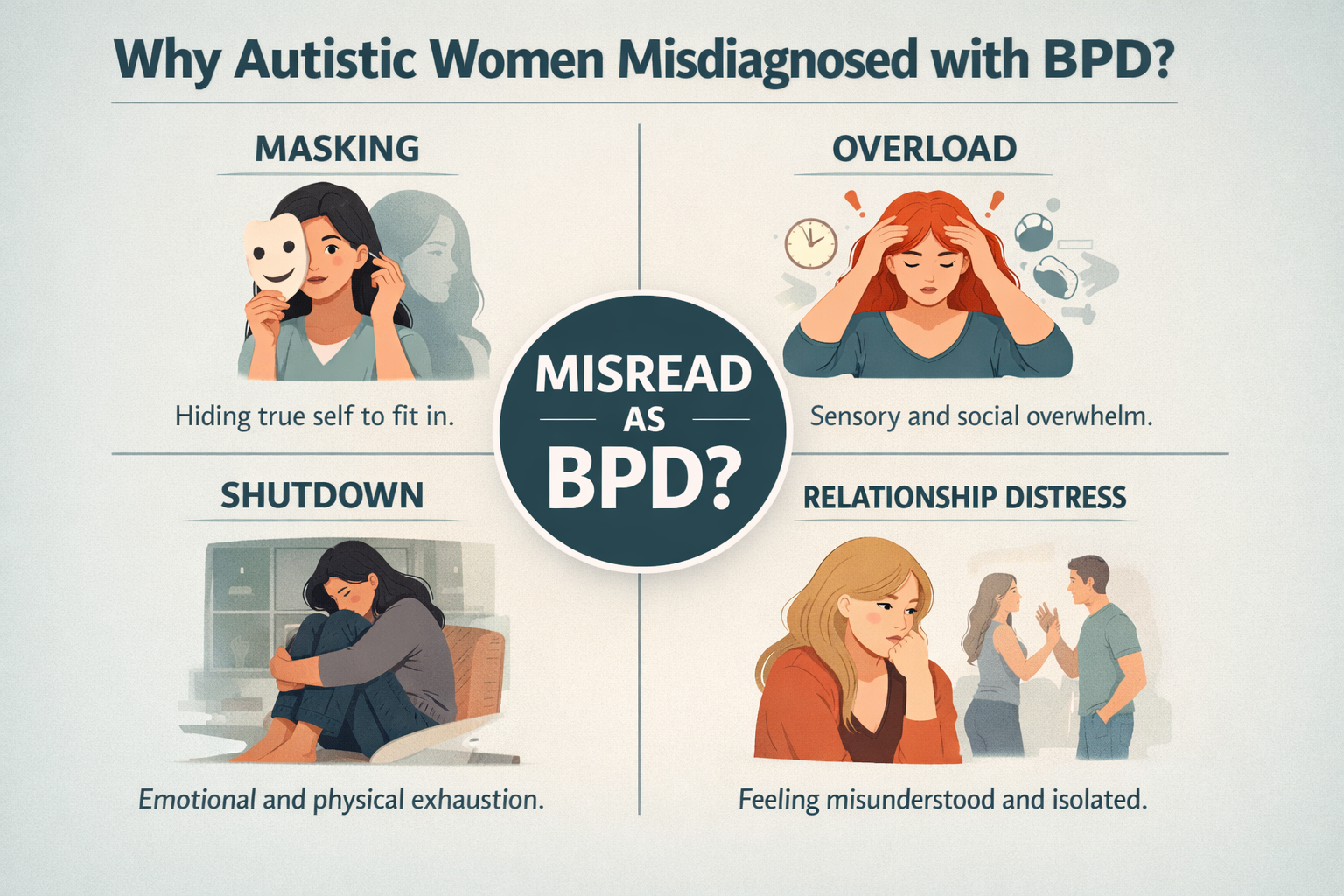
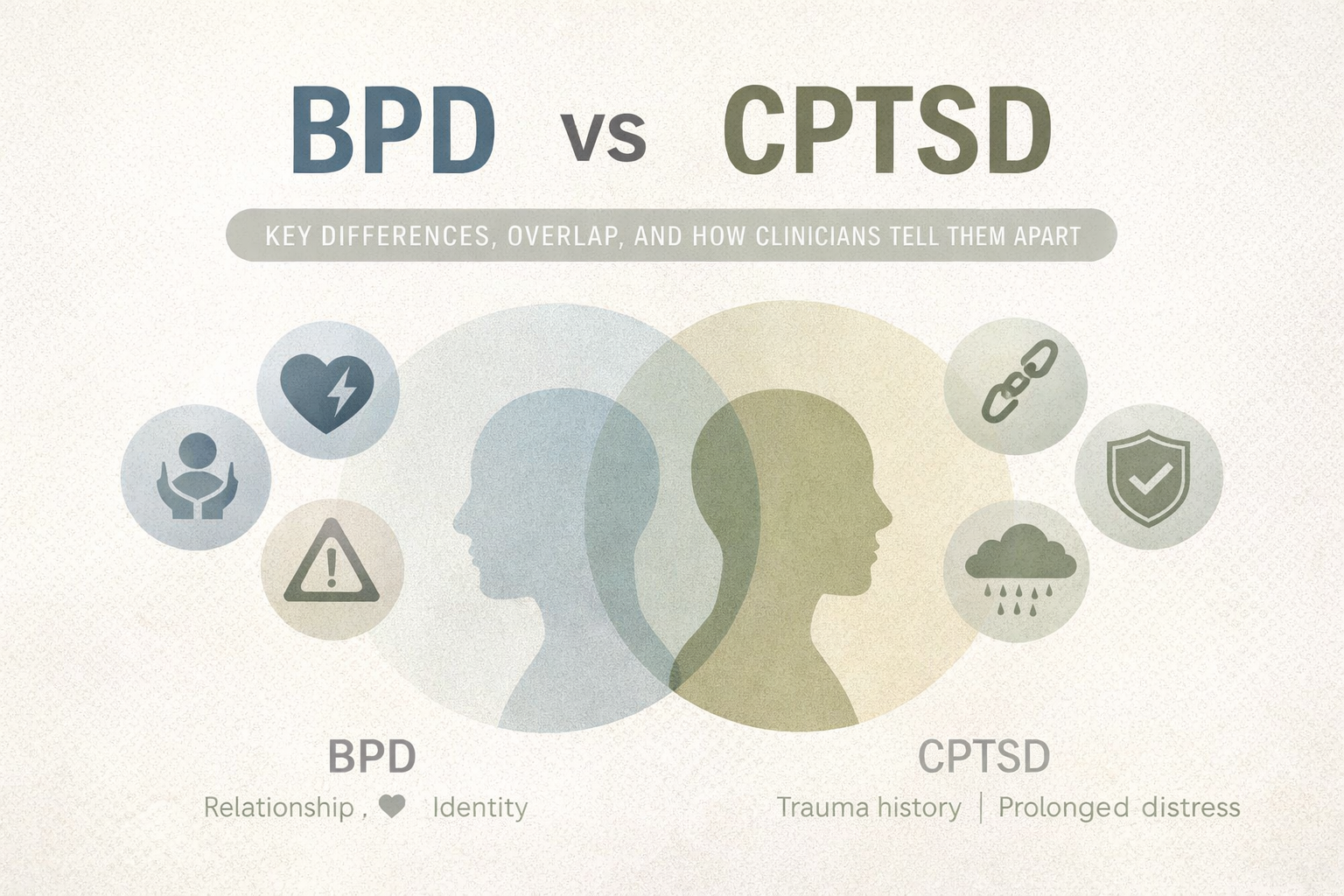
This page explains why these reactions make sense in autism, ADHD, BPD, and C-PTSD — and gives you a simple, nervous-system–aware first move so you don’t make things harder when intensity spikes.
60-Second Answer: What to Do First (Save This)
If small things suddenly feel urgent, start here:
- Pause your next move for ~20 seconds.
No texting. No explaining. No deciding. - Rate intensity 0–10.
If it’s 8–10, delay big decisions. - Name what’s happening:
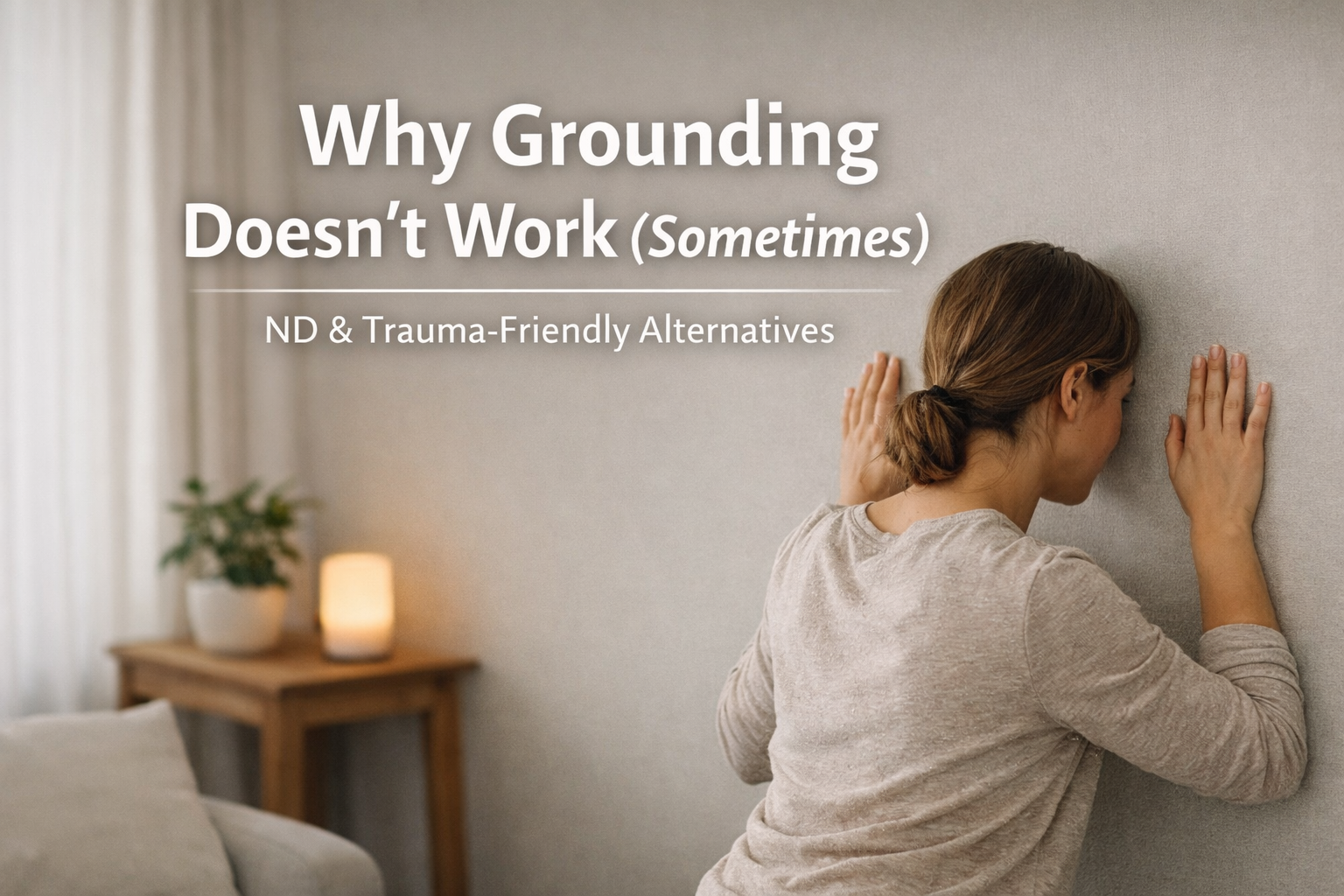
“My alarm is fast.” - Use one grounding tool for 60–120 seconds.
- Re-rate intensity.
Even a ½-point drop restores choice.
Want a simple written plan for high-intensity moments so you’re not improvising?
Free resource: When Everything Is Too Much Crisis Plan
This is education/self-help only — not therapy or crisis monitoring.
If you cannot keep yourself or someone else safe, contact local emergency services or a crisis line (U.S. call/text 988). Learn more at https://988lifeline.org/
Quick Jump Links
- Why small things trigger big reactions
- The universal first move
- Try-this-now reset
- If you already reacted (repair fast)
- Common mistakes
- FAQs
- What to do next
Why Do I Overreact to Small Things When I’m Stressed?
When intensity rises, your nervous system shifts priorities. Instead of supporting nuance and planning, it prioritizes speed and protection. That’s why these moments often come with:
- tunnel vision
- impulsive urges
- blankness or shutdown
- difficulty finding words
- a strong sense that something must be done now
This isn’t a personal failure. It’s how human nervous systems work under load.
People searching “why do I overreact to small things” are often describing a big reaction to small cues — urgency in the body, not a logic problem. The nervous system learned that acting fast mattered, so it doesn’t wait for certainty.
The goal in these moments isn’t insight.
It’s stabilization — lowering intensity just enough so choice comes back online.
The Universal First Move (Before Anything Else)
No matter why you’re overreacting to small things, start here:
Pause your next move for about 20 seconds.
That means:
- no texting
- no quitting
- no confronting
- no explaining
Physically:
- put your phone face down
- place your feet on the floor
- take one slow breath with a longer exhale
This pause doesn’t solve the problem.
It interrupts momentum — which is often the most risky part of the moment.
Next, rate intensity 0–10.
If you’re 8–10, treat that as a decision-delay zone.
Above this range, cognitive flexibility is reduced — even if your thoughts feel convincing.
The 3-Pattern Map: Urgency / Overload / Old Fear
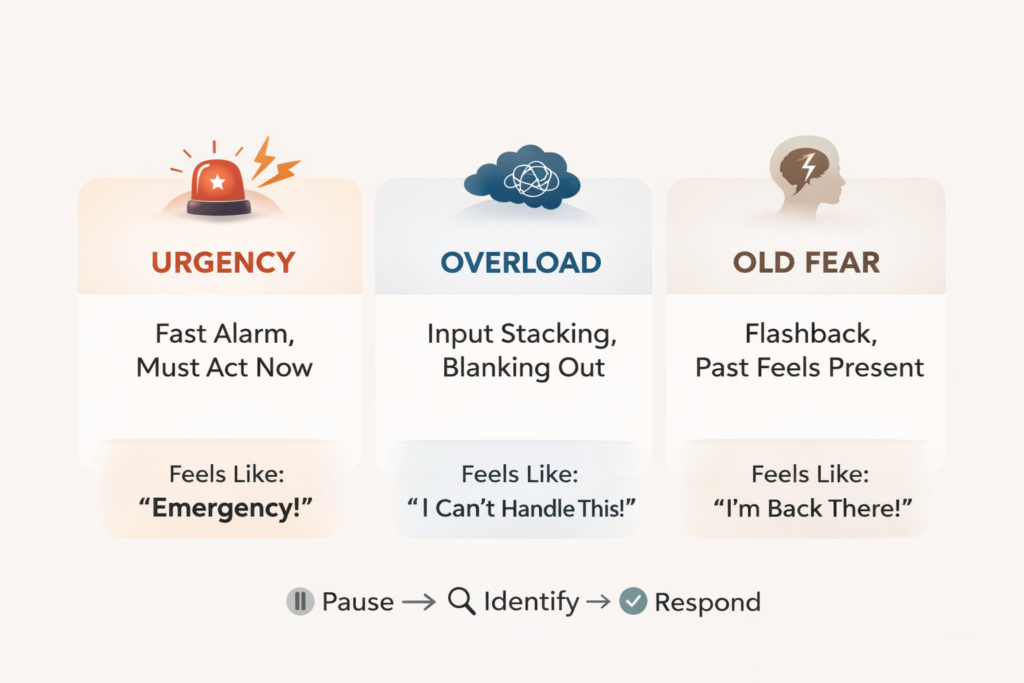
When small triggers create huge reactions, the “right” first move depends on what kind of response you’re in.
A quick map:
- Urgency: pressure to act now
- Overload: too much input; thinking gets foggy
- Old fear: past feels present; body reacts like it’s happening again
You don’t need perfect sorting.
Good-enough sorting is enough to choose one helpful move.
If Urgency Takes Over (Crisis-Type Response)
(Often called a crisis spike.)
What this often feels like
- “I have to fix this now”
- an urge to text, quit, confront, or explain
- shame, panic, or fear driving action
- racing thoughts or heat in the chest
Urgency can feel like clarity.
They are not the same thing.
Do this first
If intensity is 8/10 or higher, delay decisions.
Delay is protection — not avoidance.
One tool: paced breathing (1–2 minutes)
- Inhale 4
- Exhale 6
- Repeat for 60–120 seconds
- Re-rate intensity
Coach line:
“Fast alarm. Delay decisions. Breathe first.”
If It’s Overload or Shutdown
(Common in autism, ADHD, and chronic stress.)
What this often feels like
- sounds stacking or feeling sharp
- lights or screens becoming aversive
- words getting hard to access
- a pull to withdraw or go blank
Trying to “think through it” usually makes this worse.
Do this first
Reduce input before working on thoughts or emotions.
One tool: single-channel focus (30–90 seconds)
Try one:
- focus on one sound
- notice your footsteps as you walk
- track the rhythm of your breath
Re-rate intensity.
Coach line:
“Likely overload. Reduce input first.”
If Fear Feels Sudden or Old
(Sometimes described as a flashback or old-fear response.)
What this often feels like
- fear dropping without a clear present-day cause
- strong reactions to a tone, smell, or look
- time feeling distorted
- the sense that danger is happening now
In these moments, your body may be responding to memory, not current threat.
Do this first
Orient to the present moment.
One tool: orientation reset (10–20 seconds)
- say the year
- name three objects you can see
- press your feet into the floor
Re-rate intensity.
Coach line:
“My body is remembering. I am here now.”
Try This Now: A 10-Second Reset
- say the year
- name three visible objects
- re-rate intensity
You’re not aiming for calm.
You’re aiming for even a small shift.
If You Already Reacted (Repair in 10 Seconds)
If you already hit send, raised your voice, shut down mid-conversation, or said something you regret — repair is still possible.
Repair isn’t groveling.
It’s a clarity move that lowers heat and buys time.
Simple repair scripts:
- “I got overwhelmed and reacted. I’m taking a beat and will check back at ___.”
- “I care about this, and I’m not thinking clearly. I’ll ground and come back at ___.”
If you’re in shutdown:
- “My brain is offline. I’m not ignoring you. I’ll come back at ___.”
Common Mistakes When You Overreact to Small Things
When thinking is hard, people often:
- analyze instead of stabilize
- argue with intensity (“this is stupid”)
- stack multiple tools at once
- wait until they’re perfectly calm
- get stuck on the “right” label
You don’t need perfect understanding.
One move, briefly, then re-check.
FAQs
Why do I overreact to small things even when I know better?
High intensity reduces cognitive flexibility. This is physiology, not failure.
Is this anxiety, trauma, ADHD, or autism?
This page focuses on what to do first, not diagnosis.
How long should grounding take?
Usually 1–3 minutes before re-rating.
What if my number doesn’t go down?
Stability still counts. Try one different tool or reduce input further.
Can urgency and overload happen together?
Yes. Start with the strongest body signal you notice.
When should I seek immediate help?
If you cannot keep yourself or someone else safe, use emergency services or crisis supports.
What to Do Next
For a deeper explanation of learned alarms — and a step-by-step walkthrough of the first-aid sequence — watch the companion video:
Why Small Things Feel Like Emergencies (Autism, ADHD, BPD, C-PTSD)
→ Click here to watch
If spikes are frequent, start by saving the 60-second map and using the free resource When Everything Is Too Much so you’re not improvising at 8–10.
→ Access the free guide: When Everything Is Too Much Crisis Plan
Note: This is educational content only and does not create a therapist–client relationship.